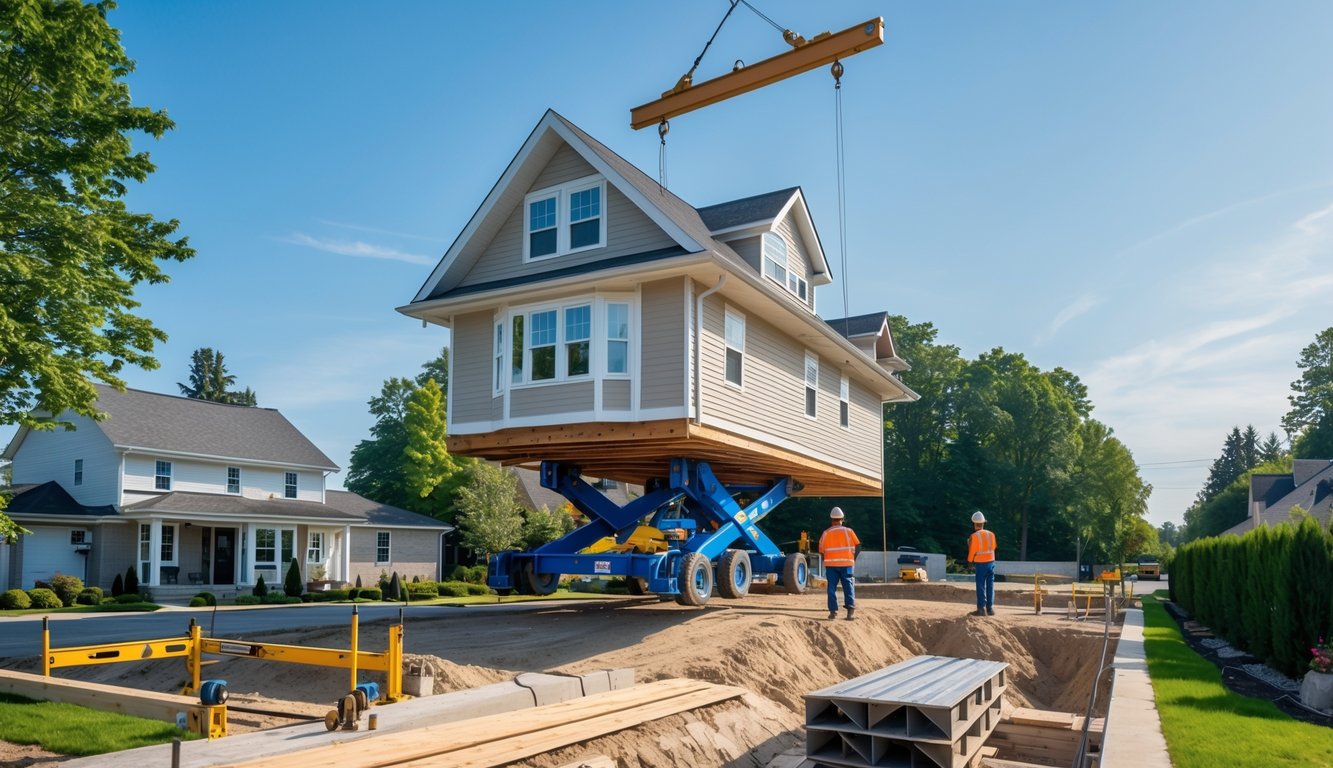
House Lifting in the Niagara Region
House lifting gives you the chance to protect your home from flooding and repair or upgrade your foundation without needing to tear down the whole building. This process lifts your house above the ground, which can help prevent water damage in areas that are more likely to flood. It can also make it possible to fix foundation issues and even add a new basement to your home, increasing your living space.
Special Note: Disregard the photos in this post, they are totally over-the-top, lol.
If you have noticed problems with your home’s foundation, or if you want extra protection from floods, house lifting might be the best solution for you. With the right planning, you can keep your house safe and make valuable improvements at the same time. Homeowners often find peace of mind knowing their investment is more secure after their house has been lifted.
Many families in the Niagara Region are choosing this option so that they can avoid future costly repairs or damages. Learning more about the steps and benefits of house lifting can help you decide if it’s the right move for your property.
What Is House Lifting?
House lifting means using special equipment to raise your home off its foundation. This allows for repairs or changes to the base of your home and can help you protect and improve your property or add extra space.
House Lifting vs. House Raising
House lifting and house raising really mean the same thing. Both involve lifting your entire home using hydraulic jacks and steel beams. This process sets your home on supports while work is done underneath.
These methods allow workers to access the foundation so they can rebuild, repair, or replace it. Some people also use this method to make changes to the space below their house, such as adding a full basement or raising their home to prevent flooding.
In Ontario, homes in certain areas use this process to avoid water damage or to fix settling foundations. It’s a controlled, step-by-step method to keep your house level and safe.
Key Benefits for Homeowners
Lifting your home can give you several useful benefits. A main advantage is that it lets you repair or replace a damaged foundation. This can stop uneven floors and cracking walls.
Another benefit is the chance to add living space. By lifting your home and building a new basement or improving an old one, you can create more storage or rooms for your family.
In Ontario, many homeowners lift their homes to avoid flooding issues. Raising your home above flood levels can help keep your property and belongings dry during major weather events. This process also makes future repairs easier since crews can get around the entire foundation.
Common Reasons for Lifting a Home
There are a few common reasons why you might need to lift your home in Ontario:
- Repairing or replacing an old or failing foundation
- Adding a new or larger basement for extra space
- Raising the house above flood risks
- Fixing uneven settling that causes the house to tilt
Sometimes, people need to lift their home when major plumbing or drainage work is required, or when local building rules change and extra height is needed.
About 90% of house lifts happen because of serious foundation problems or water issues. Others are done to protect property value or to update a home’s layout and function. The process lets you keep the main part of your house while still making big improvements.
House Lifting Services in the Niagara Region
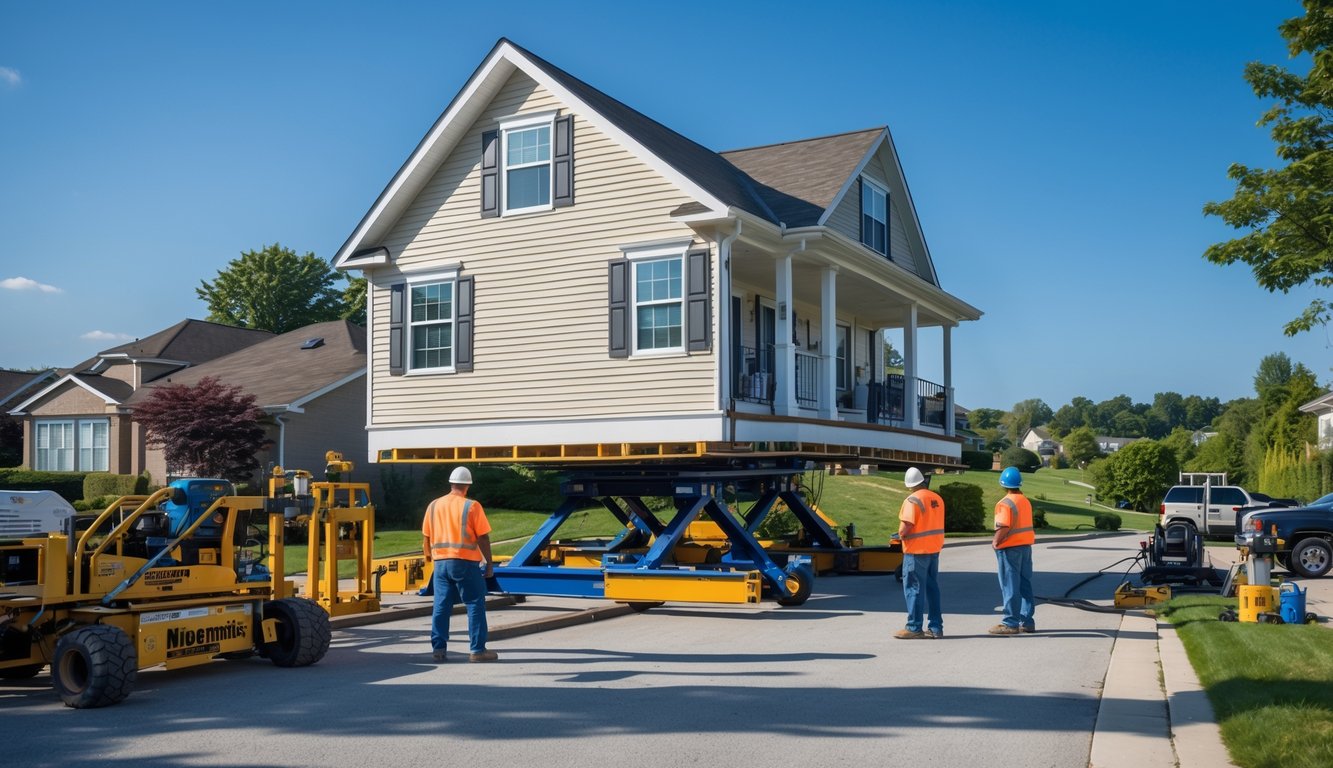
House lifting in the Niagara Region allows you to create more usable space or protect your home from common risks. Choosing the right provider, understanding the coverage area, and knowing what kind of support you’ll receive can make your project smoother and safer.
Overview of the Niagara Region Service Area
The Niagara Region is served by companies like Stryker Construction that specialize in residential house lifting within about a 40-kilometer radius. This service area covers towns and communities such as Wainfleet, Niagara-on-the-Lake, and surrounding places.
Most providers in this region are equipped to handle different types of homes, including older structures, cottages, and properties with limited access. Whether you’re planning to extend a crawlspace, add a basement, or reposition your house, service options are available for your specific needs.
In addition to house lifting, some companies offer moving services, giving you the ability to physically relocate your entire structure if needed. Local experts understand the ground conditions and building codes of the Niagara area, which reduces risk and helps complete your project within expected timelines.
Choosing Stryker Construction for Your Project
Professional crews in the Niagara Region focus on safety and minimizing disruptions during house lifting. Modern equipment and skilled operators help keep your home stable and protect against interior or exterior damage.
The process usually begins with a site assessment. After that, a plan is developed and structural supports are installed before lifting. This careful approach makes it possible for your home to be raised smoothly, whether you need just a few inches or several feet.
You will find that experience matters. Local teams with a history of successful projects provide peace of mind, as they often have solved a range of issues unique to properties in the Niagara Region. Attention to detail and a clear plan are key to completing jobs on time and within budget.
Customer Satisfaction and 5 Year Warranty
Customer satisfaction is a high priority for house lifting services in the Niagara Region. Many companies offer a 5 year warranty on workmanship, so you are protected against structural problems related to the lift.
Feedback from past clients is often positive, with reviews mentioning reliable timelines, clear communication, and respectful handling of homes. Skilled crews aim to keep clients updated through every stage of the process to avoid misunderstandings and delays.
A 5 year warranty gives you added confidence in the quality and long-term value of your investment in house lifting. This type of guarantee helps ensure that if any issues arise from the lifting process itself, support and repairs are available at no additional cost to you.
Solving Foundation Issues with House Lifting
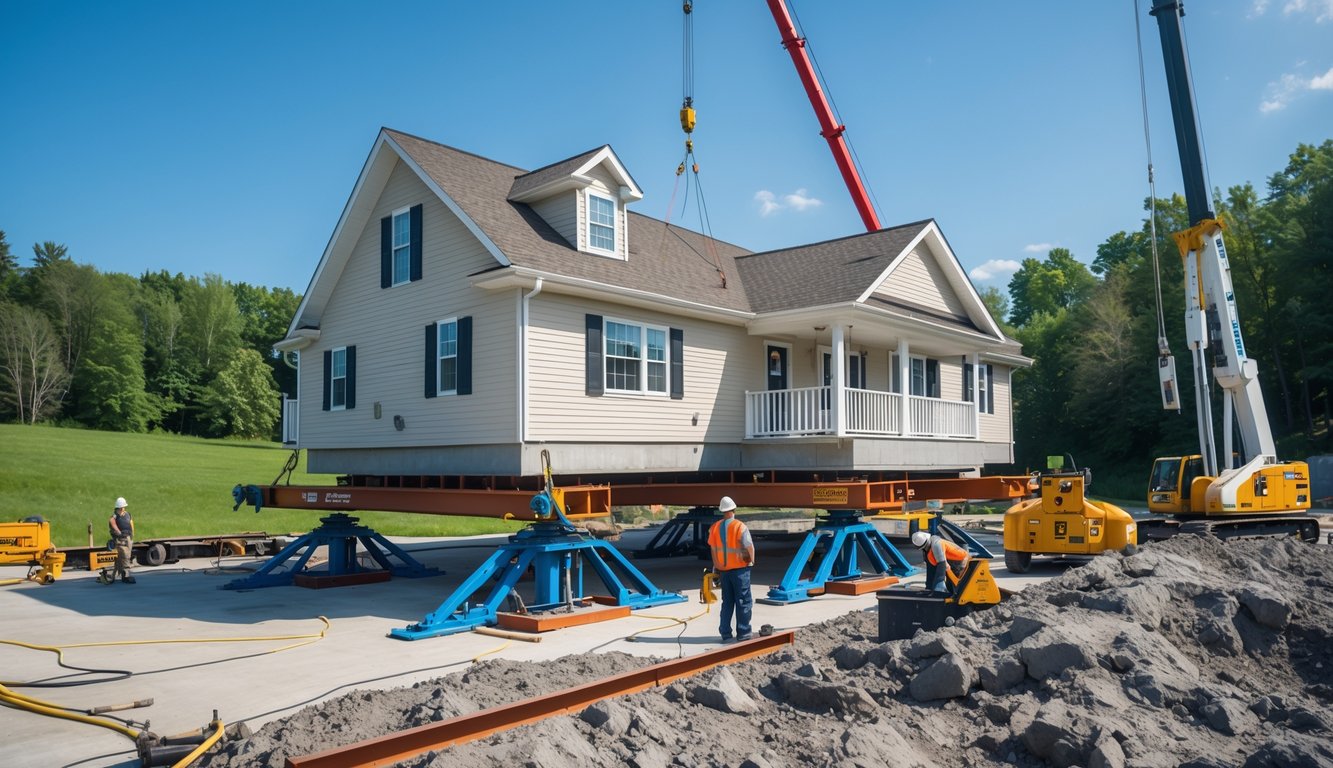
House lifting is often necessary when your foundation is settling, sinking, or showing signs of damage. Lifting the structure gives you direct access to the foundation, making repairs more effective and lasting.
Foundation Repair Solutions
When your home starts to shift or sink, it is usually a sign of foundation problems. Common signs include doors that stick, uneven floors, or gaps forming between walls and ceilings.
House lifting allows professionals to access the foundation and perform crucial repairs. These solutions can include rebuilding the entire foundation, adding support beams, or strengthening the soil underneath. Underpinning, for example, adds extra support by extending the foundation deeper into stable soil, making it less likely to move in the future.
You might also see methods like hydraulic jacking or helical piles used when the soil is unstable. Hydraulic jacking lifts the house so repairs can be made before lowering it back into place. Helical piles are screwed into the soil to keep the foundation firmly anchored.
Repairing foundation issues early helps you avoid more expensive damage later. According to experts, small repairs can be hundreds of dollars, but larger foundation repairs can cost thousands, especially if waiting causes the problems to get worse.
Dealing with Cracks and Structural Damage
Cracks in concrete walls or in basement floors are early signs that you may have foundation issues. Even small cracks can let in water, leading to leaks and possibly mold growth.
It is important to repair these cracks quickly. After house lifting, workers gain better access to damaged areas, making it easier and safer to seal and reinforce them. Solutions can include epoxy injections, which fill in small cracks, or installing carbon fiber strips to stop walls from bowing further.
Large cracks or bowing walls are usually symptoms of pressure from the soil or water outside. Removing the weight of the house during lifting makes it much safer to repair these problems without causing more stress on the structure.
Ignoring cracked or damaged foundations increases the risk of uneven settling. Over time, this can make your home unsafe. Immediate repairs limit long-term issues and protect your belongings from moisture damage.
Concrete Raising Benefits
Concrete raising, also known as slab-jacking, is a common method used during house lifting projects where parts of your foundation have settled unevenly. In this technique, grout or foam is pumped beneath the sunken concrete to lift it back to its original height.
This solution works well for fixing porches, steps, and driveways that are connected to your house. Instead of tearing out and replacing slabs, you can save time and money by raising the existing concrete.
Concrete raising reduces trip hazards and prevents further foundation shifting. When combined with house lifting, it ensures a level base for your home. This method also addresses drainage issues by helping water flow away from your foundation, reducing the chance of additional settling or cracking.
Proper concrete raising, along with foundation repair, can extend the life of your house and keep your structure safe. For more detailed information on the benefits and process, visit this guide on house lifting and foundation raising.
Enhancing Living Space and Flood Protection
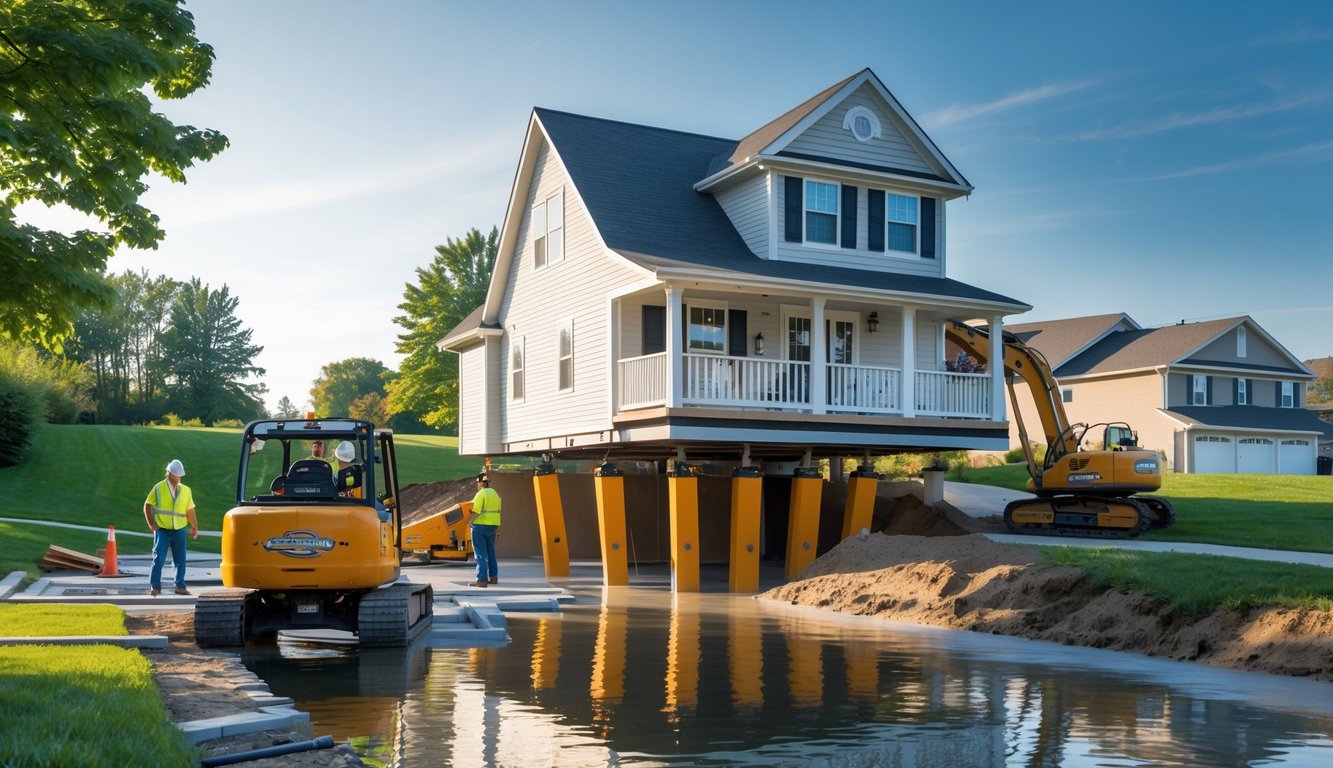
Raising your home can give you much more usable space without expanding your house outwards. This process also helps prevent flood damage during heavy rains and high-water events in the Niagara Region.
Creating a Full Basement
Lifting your house allows you to create a full basement, giving you extra living space or storage without losing your yard. If your house is on piers or a crawlspace, you can double your usable square footage by adding a new floor beneath the existing structure.
A basement can provide bedrooms, recreation rooms, laundry, or even a home gym. Finished basements can also increase property value and make your home more attractive if you ever plan to sell.
Homes with added basements have more design flexibility. Utilities and mechanical systems can be housed neatly below your living area, keeping them out of sight and protected from the elements. Adding a full basement is often more cost-efficient than building an addition, especially when you already need foundation repairs. Learn more about basements after house lifting at strykerconstruction.ca/residential/house-lifting/.
Crawlspace Expansion
Expanding your crawlspace when lifting your house can be a practical way to gain more storage or access to utilities. By increasing the height of your crawlspace, you make it easier to maintain plumbing, wiring, and HVAC systems.
A larger crawlspace also helps prevent moisture problems by letting air circulate better underneath your house. Insulation can be upgraded during expansion, helping to lower your energy bills.
Unlike a full basement, a crawlspace expansion is usually faster and less expensive. If you only need extra storage or service access—not finished rooms—expanding the crawlspace can meet your needs. This type of project can also address existing foundation damage or improve your home’s overall stability. For step-by-step details, visit devooghthouselifters.com/house-lifting-methods/.
Flood Protection Measures
In the Niagara Region, house lifting is one of the most effective ways to protect against flooding. When you raise your home above base flood elevation, you make it less likely water will reach your living space during severe weather or rising river levels.
Flood insurance rates can decrease after your home is elevated, saving you money each year. Lifting your home may even be required by local building codes if you’ve experienced repeated flooding. Specific types of supports and foundation work may be needed, based on the risk level in your area.
Adding flood vents, sealing foundations, and installing sump pumps during or after house lifting further increases your home’s protection. Learn more about flood protection through house lifting.
House Moving and Additional Home Lifting Services
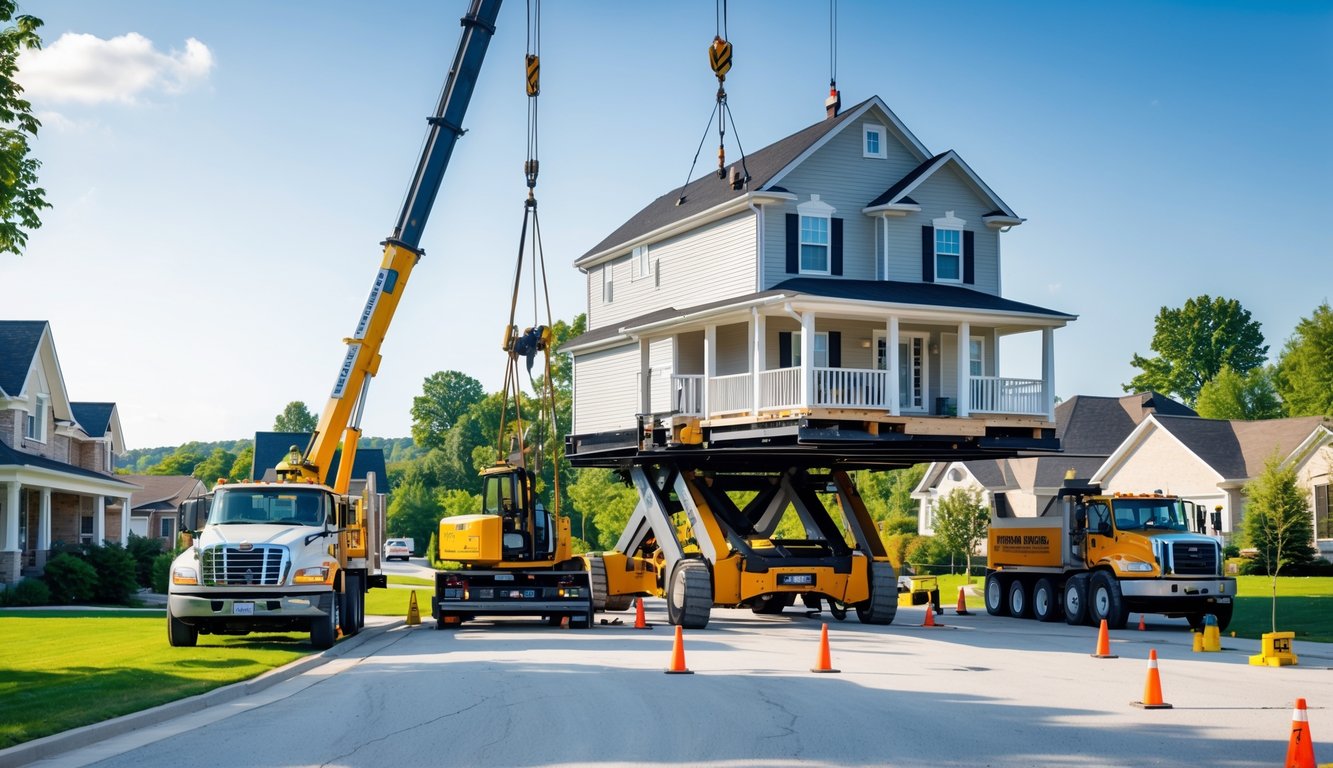
Moving and lifting homes in the Niagara Region often requires careful planning and expert handling. Understanding your relocation options and knowing how to coordinate with moving services can make these projects safer and more efficient.
Home Relocation Options
When it comes to house moving, there are several choices available depending on your needs. You can relocate structures such as houses, cottages, and garages to new lots or different parts of the same property. Some homes are lifted to allow for new foundations, basements, or to repair existing foundation issues.
You may opt for complete structural moves, which involve lifting and transporting the whole building. In some cases, only portions such as additions or garages are moved. If your house is on piers, lifting it can nearly double your living space by adding a new basement. Learn more about how these processes work on trusted home moving resources.
Most projects require an inspection before moving or lifting begins. Specialists evaluate your structure, foundation, and the surrounding land to suggest the safest and most cost-effective approach. Accurate measurement and planning help avoid damage and ensure a smooth transition.
Coordination with Moving Services
Proper coordination with moving services is essential for a stress-free house relocation. Teams use specialized equipment, like hydraulic jacks and unified lifting systems, to ensure the building stays level throughout the process. Communication between homeowners and movers keeps everyone informed and involved.
Planning the logistics includes scheduling, securing permits, and clearing the route for transportation if the house is moving off-site. Services may include rearranging furniture, moving specialty items like pianos, or assisting with temporary storage during the move. For more information about professional moving solutions in the Niagara Region, refer to regional moving guidelines and local service practices.
Movers often have to work closely with construction and utility crews to disconnect and reconnect water, gas, and electricity. By following strict safety guidelines and detailed procedures, moving services reduce risks and keep your home secure during each phase of relocation or lifting.
Frequently Asked Questions
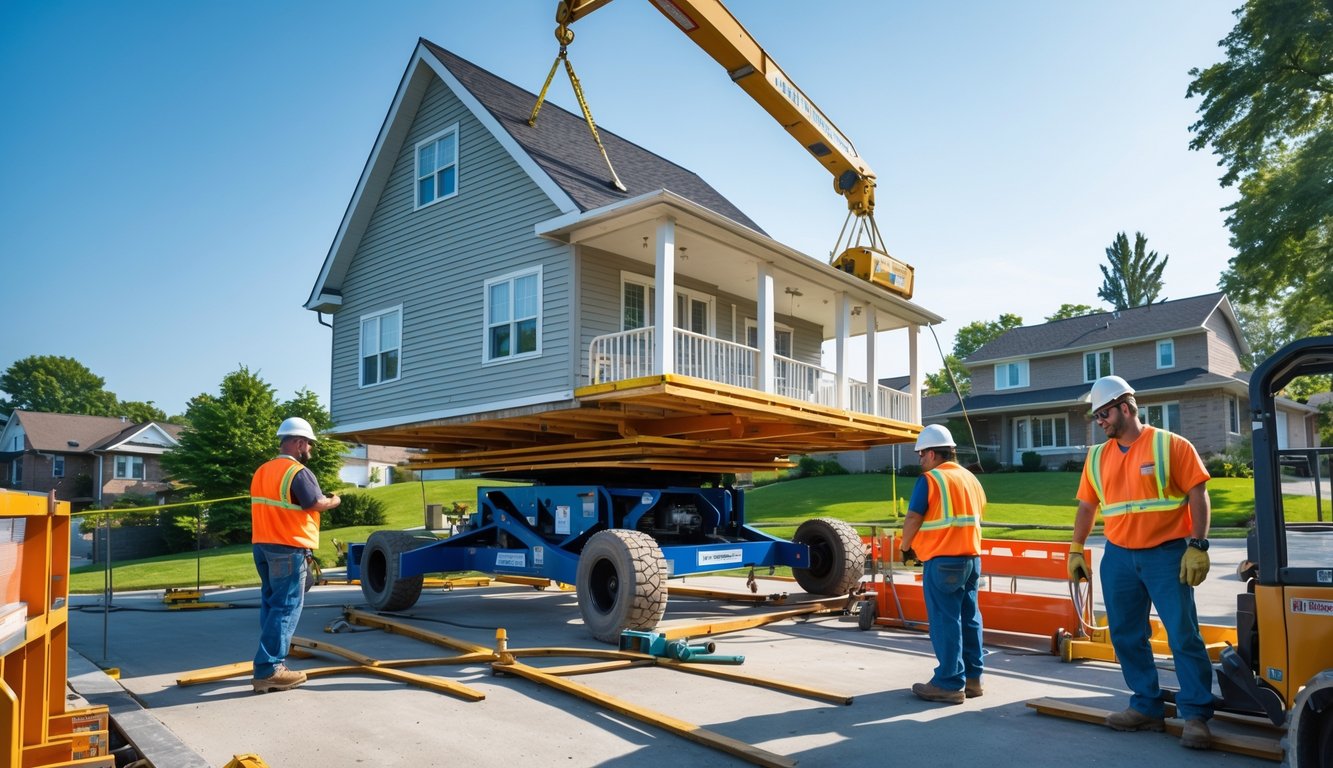
Permits, costs, risks, timeframes, and house suitability all play a role before starting a house lifting project. Careful planning can help avoid common mistakes and setbacks.
What are the necessary permits for house lifting in the Niagara Region?
You will need to get a building permit from the local municipal office before lifting your house. Most areas will also require inspections throughout the process to make sure the work follows local building codes.
There may be extra permits for plumbing, electrical, and foundation work. Check with your local municipality to confirm which permits are needed.
How much does it typically cost to lift a house in the Niagara Region?
The cost to lift a house depends on the house size, foundation type, and complexity of the job. Costs can range from $10,000 to over $50,000.
Additional expenses can include foundation repairs, building a new basement, or utility work. It is important to get quotes from qualified contractors so you can plan your budget carefully.
What are the potential risks associated with lifting a house?
Risks include structural damage, shifting, or collapse if proper support is not used. Gas, water, and electrical lines must be safely disconnected to prevent leaks, fires, or accidents.
Weather and soil conditions can also cause delays or challenges. Careful planning and professional oversight help lower these risks. For more details, see common safety considerations during a house lifting process.
How long does the house lifting process usually take in the Niagara Region?
Lifting a house can take from a few days to several weeks. The timeline can be longer if repairs or a new foundation are added.
Weather, permit approval times, and unexpected issues may also affect how long the project takes.
Can all types of houses be lifted, or are there restrictions?
Most wood frame and some masonry houses can be lifted. Houses with slab-on-grade foundations or built on poor soil may be more difficult or sometimes not suitable for lifting.
A professional assessment is needed to check if your house can be lifted safely without causing damage.
What factors should be considered before deciding to lift a house?
You should look at the current state of your foundation, the age and structural condition of your house, and local building codes. Lifting can fix foundation issues and add living space by building a basement, as described in house lifting benefits.
Check local rules, budget, and choose experienced professionals to manage the work. Always think about the long-term impact on your property and resale value.