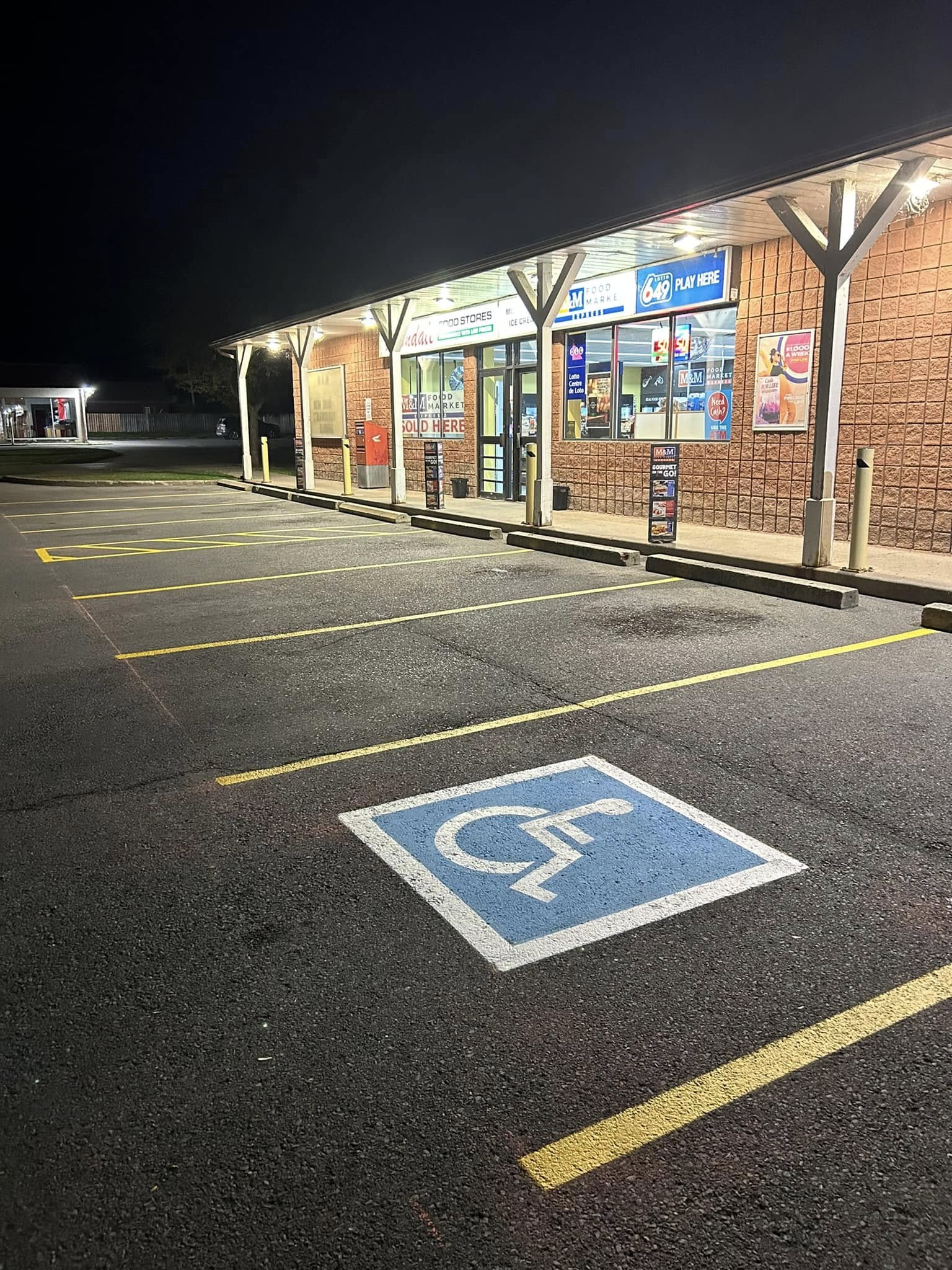
Tips for Tourist Season and Year Round Action
Keeping your commercial building’s parking lot in top shape is crucial for businesses in Niagara Falls. A well-maintained lot creates a good first impression and keeps customers safe. Whether you are a small shop, a restaurant, a bar, even a shopping mall or commercial retail centre -> These tips are for you!
Regular upkeep of parking areas can save you money in the long run by preventing costly repairs.
Parking lot maintenance includes tasks like fixing cracks, repainting lines, and clearing debris. These small steps make a big difference in how your property looks and functions. They also help you avoid accidents and potential lawsuits.
In Niagara Falls, parking is a key part of the city’s infrastructure. The city offers several municipal parking lots for residents and visitors. By following their example and keeping your own lot in good condition, you’ll contribute to the area’s overall appeal and functionality.
Overview of Parking Lot Management in Niagara Falls

Niagara Falls offers a variety of parking options for residents and visitors. The city manages several lots with different fee structures and permit systems to meet diverse parking needs.
Municipal Parking Lots and Services
Niagara Falls maintains multiple municipal parking lots throughout the city. These lots are strategically located in key areas, including downtown, Victoria Avenue, Falls Avenue, Lundy’s Lane, and Main Street.
You can find maps of these lots on the city’s website. The lots are designed to provide convenient parking for attractions, businesses, and public spaces.
Municipal parking services in Niagara Falls are managed by the Transportation Services Department. They handle lot maintenance, fee collection, and enforcement of parking regulations.
Monthly Leased Lots and Daily Rates
For frequent parkers, Niagara Falls offers monthly leased parking options. These are ideal if you work or live in areas with limited parking.
You can obtain monthly parking permits at the Traffic & Parking Section in the MacBain Centre. The office is open Monday to Friday, 8:30 a.m. to 4:30 p.m.
Daily rates vary depending on the lot location and demand. Popular tourist areas typically have higher rates. All fees include HST.
The city periodically reviews and adjusts parking rates. This helps manage demand and ensure fair access to parking spaces.
Permit and Metered Parking Overview
Niagara Falls uses a mix of permit and metered parking systems. Permits are available for residents, businesses, and long-term visitors.
You can find metered parking in high-traffic areas. Meters accept coins and some may take credit cards. Be sure to check the posted time limits and rates.
The city maintains and repairs parking meters regularly. If you encounter a faulty meter, report it to the Transportation Services Department.
Enforcement officers patrol parking areas to ensure compliance. Always display your permit clearly or pay the proper meter fee to avoid fines.
Traffic and Parking Enforcement

Niagara Falls has rules to keep traffic flowing smoothly and parking spaces available. You need to know about parking violations, fines, and traffic control measures to avoid issues when visiting.
Parking Violations and Fines
You can get a ticket for several parking offenses in Niagara Falls. Common violations include:
- Parking in no-parking zones
- Staying beyond time limits
- Not paying at meters or pay stations
- Blocking fire hydrants or driveways
Fines vary based on the offense. Minor infractions may cost $30-$50, while more serious ones can reach $100 or more. You can pay tickets online or by phone. If you don’t pay within 15 days, the fine may increase.
To avoid tickets, always check nearby signs and pay attention to painted curb colors. You can request parking enforcement if you spot violations in your area.
Traffic Control Devices and Signage
Niagara Falls uses various tools to manage traffic flow and safety:
- Traffic lights
- Stop signs
- Yield signs
- Speed limit signs
- One-way street signs
- No-turn signs
The city’s Transportation Engineering department maintains these devices. They also handle:
- Pavement markings
- School crossing guards
- Special event traffic control
You must follow all traffic signs and signals while driving in Niagara Falls. Ignoring them can result in fines or accidents. If you notice damaged or missing signs, report them to the city for quick fixes.
Parking Lot Maintenance Practices
Keeping parking lots in good condition requires regular upkeep. This involves maintaining the asphalt surface, refreshing line markings, and managing snow removal. These practices help ensure safety and extend the life of parking facilities.
Asphalt Maintenance and Pavement Upkeep
Regular asphalt maintenance is key to preserving parking lots. You should fill cracks promptly to prevent water damage. Pothole repair is crucial for safety and to avoid vehicle damage.
Seal coating protects asphalt from weather and chemicals. Apply it every 2-3 years for best results. This also gives the lot a fresh, clean look.
Proper drainage is vital. Clean catch basins and fix low spots to prevent water pooling. This helps avoid pavement damage and ice formation in winter.
Regular sweeping removes debris that can damage asphalt over time. It also keeps your lot looking tidy and professional.
Line Painting and Markings
Clear pavement markings are essential for parking lot safety and efficiency. Repaint lines yearly or when they start to fade. Use durable, reflective paint for better visibility.
Key markings include:
- Parking space lines
- Directional arrows
- Handicap symbols
- Fire lanes
- Stop lines
Add symbols like speed limit signs or pedestrian crossings for extra safety. Use contrasting colours for clarity. Yellow works well for no-parking zones.
Consider thermoplastic markings for high-traffic areas. They last longer than paint but cost more upfront.
Snow Removal Strategies
Effective snow removal keeps parking lots safe and usable in winter. Plan ahead by marking obstacles like curbs and islands. This prevents damage during plowing.
Use these tips for efficient snow clearing:
- Start early: Remove snow before it gets packed down.
- Push to the lot’s edges: Don’t block spaces or exits.
- Use the right equipment: Plows for large areas, snow blowers for tight spots.
- Apply salt or sand: This prevents ice buildup on cleared surfaces.
Store snow in designated areas away from high-traffic zones. Consider hauling away excess snow if space is limited.
After storms, check for and fill any new potholes caused by freeze-thaw cycles.
Safety and Accessibility in Parking Areas

Parking areas need proper design and maintenance to keep people safe. Good layout, lighting, and signs help drivers and pedestrians avoid accidents. Making spaces accessible ensures everyone can use them.
Road Safety Measures
Proper maintenance of parking lots is key for safety. Keep surfaces smooth and free of cracks or potholes. This prevents trips, falls, and vehicle damage.
Paint clear line markings to guide traffic flow. Use bright, reflective paint that’s visible day and night.
Install plenty of lighting. Well-lit areas deter crime and help people see hazards. Use energy-efficient LED bulbs in overhead lights.
Put up clear signs for speed limits, pedestrian crossings, and traffic direction. Use large text and simple symbols everyone can understand.
Traffic Signals and Calming Techniques
Traffic calming slows vehicles and makes areas safer for walking. Speed bumps and raised crosswalks force drivers to slow down.
Narrow driving lanes with curb extensions at corners. This shortens crossing distances for pedestrians.
Install stop signs at key intersections. Use flashing lights on signs near schools or busy crossings.
Place accessible parking spaces close to building entrances. The number needed depends on lot size:
- 1-12 spaces: 1 accessible spot
- 13-100 spaces: 4% accessible
- 101-200 spaces: 1 + 3% accessible
Mark these spots clearly with signs and blue paint.
Regulations and Requirements for Parking Facilities

Parking facilities in Niagara Falls must follow specific rules and standards. These cover legal requirements and engineering guidelines to ensure safety and proper operation.
By-Law Compliance for Commercial Lots
Parking regulations in Niagara Falls are defined in municipal by-laws. You need to be aware of common violations and sign placement rules.
Key requirements include:
- Proper signage for parking prohibitions and traffic control
- Clear markings for accessible parking spaces
- Visible parking rates at entry, exit, and payment points
For lots with over 100 spaces, you must reserve 4% of spaces for accessible parking. Larger lots have different formulas to calculate required accessible spaces.
Make sure to display important information like hours, regulations, and customer responsibilities. Mark special stalls clearly, such as visitor or client-designated spots.
Transportation Engineering Standards
You must follow specific design standards for your parking facility. These ensure safety and proper traffic flow.
Key engineering requirements include:
- Adequate lighting for security and visibility
- Proper drainage to prevent water pooling
- Sufficient lane widths for vehicle maneuvering
- Appropriate curb heights and ramp grades
Stall sizes must meet minimum dimensions. Consider factors like turning radii and sight lines when planning lot layout.
Pay attention to entrance and exit designs. They should allow smooth traffic flow and prevent backups onto public streets.
Use clear pavement markings and directional signs. This helps drivers navigate your lot safely and efficiently.
Frequently Asked Questions

Proper parking lot maintenance is crucial for safety and longevity. Regular upkeep helps prevent costly repairs and ensures compliance with local regulations.
How often should parking lot maintenance be performed?
Parking lots need attention throughout the year. You should do a full inspection every 6 months. Smaller checks are good to do monthly. Sweep and clean your lot weekly to keep it tidy.
What are the common services included in parking lot maintenance?
Common maintenance tasks include sweeping, line painting, and crack sealing. You’ll also need to fix potholes, clear drains, and remove snow in winter. Don’t forget to check lighting and signs regularly.
Are there specific regulations for maintaining a parking lot in Niagara Falls?
Yes, Niagara Falls has rules for parking lots. You need to keep your lot clean and safe. Check with the city for exact rules on things like lighting, accessibility, and snow removal.
Can weather conditions in Niagara Falls affect parking lot integrity?
Weather can harm your parking lot. Freeze-thaw cycles cause cracks. Heavy rain can lead to potholes. Snow and ice need quick removal. Plan for these issues to keep your lot in good shape.
What are the best practices for ensuring the longevity of a parking lot?
To make your lot last, seal it every 2-3 years. Fix small issues fast before they grow. Use quality materials for repairs. Good drainage is key to prevent water damage.
How does parking lot maintenance impact safety and compliance?
Well-kept lots are safer for drivers and pedestrians. Good lighting cuts down on accidents. Clear markings help traffic flow. Smooth surfaces prevent trips and falls. Regular upkeep helps you meet local safety codes.
About Niagara Falls

Niagara Falls is a world-famous natural wonder located on the border of Ontario, Canada and New York, USA. The falls consist of three waterfalls: Horseshoe Falls, American Falls, and Bridal Veil Falls.
These majestic waterfalls attract millions of visitors each year. The Horseshoe Falls is the largest, with a drop of 188 feet and a width of 2,700 feet.
When you visit, you’ll experience the thunderous roar of water and feel the mist on your face. The falls are illuminated at night, creating a stunning visual display.
Did you know? Niagara Falls generates hydroelectric power for both Canada and the United States. It produces up to 4 million kilowatts of electricity.
You can explore the falls from various vantage points:
- Observation decks
- Boat tours
- Helicopters
- Behind the falls tunnels
The area around the falls offers many attractions, including:
- Parks and gardens
- Museums
- Casinos
- Restaurants
Planning your visit? Consider the parking options available near the falls. There are several municipal lots with affordable rates.
Remember to bring a waterproof camera and wear comfortable shoes. You’ll want to capture memories of this awe-inspiring natural wonder.